Using Rental Property for Airbnb: A Complete Guide to Profitable Hosting
Turning a traditional rental property into an Airbnb listing is one of the most profitable ways to generate income in today’s real estate market. This strategy allows property owners or leaseholders to transform apartments, houses, or vacation homes into short-term rentals that can attract travelers worldwide. Unlike standard long-term leases, Airbnb hosting provides flexible booking periods, higher nightly rates, and the potential for significant cash flow.
However, success in using a rental property for Airbnb requires careful planning. From understanding local laws to creating a guest-friendly environment, hosts must balance profitability with legal compliance and operational efficiency.
Understanding the Concept of Airbnb Rental Arbitrage
Airbnb rental arbitrage is when an individual leases a property long-term and rents it out on Airbnb for short-term stays. This approach allows people to operate an Airbnb business without owning real estate. The key is to secure a lease agreement that permits subletting or short-term rentals and to maintain strong relationships with property owners to avoid conflicts.
This model reduces upfront investment compared to buying a property. Instead of a down payment and mortgage, hosts typically only need funds for deposits, furnishing, and initial marketing. With the right location and pricing strategy, rental arbitrage can generate significant profits while minimizing long-term financial risk.
Legal and Regulatory Considerations
Before listing a rental property on Airbnb, hosts must research local laws and regulations. Many cities impose specific requirements for short-term rentals, including zoning rules, permits, and tax obligations. Some municipalities may limit the number of days a property can be rented annually, while others require hosts to register their properties with local authorities.
Understanding lease agreements is equally critical. If you are renting from a landlord, you must have explicit permission to sublet the property on Airbnb. Violating lease terms can result in eviction or legal disputes, so transparency and proper documentation are essential.
Benefits of Using a Rental Property for Airbnb
Operating a rental property on Airbnb offers numerous advantages compared to traditional long-term leasing.
Higher Income Potential
Short-term rentals often generate significantly higher per-night rates than standard leases. In high-demand areas, this can translate into monthly earnings that surpass what a landlord would receive from a year-long tenant.
Flexibility and Control
Hosts can decide when to make their property available, allowing them to block off dates for personal use or maintenance. This flexibility makes it easier to adapt to seasonal demand or travel opportunities.
Market Responsiveness
Airbnb allows hosts to adjust pricing dynamically based on market trends. This ensures properties remain competitive and profitable, even during slower periods.
Technology Tools for Managing Airbnb Rentals
Technology is a key enabler for running a successful Airbnb rental. Property management platforms, automation tools, and dynamic pricing systems simplify operations and help maximize returns.
Automated guest messaging, smart locks, and cleaning schedules reduce manual tasks and improve the guest experience. Hosts can also track financial performance, monitor occupancy rates, and respond to inquiries instantly through integrated apps and dashboards.
Real-World Example Products and Use Cases
Airbnb Platform
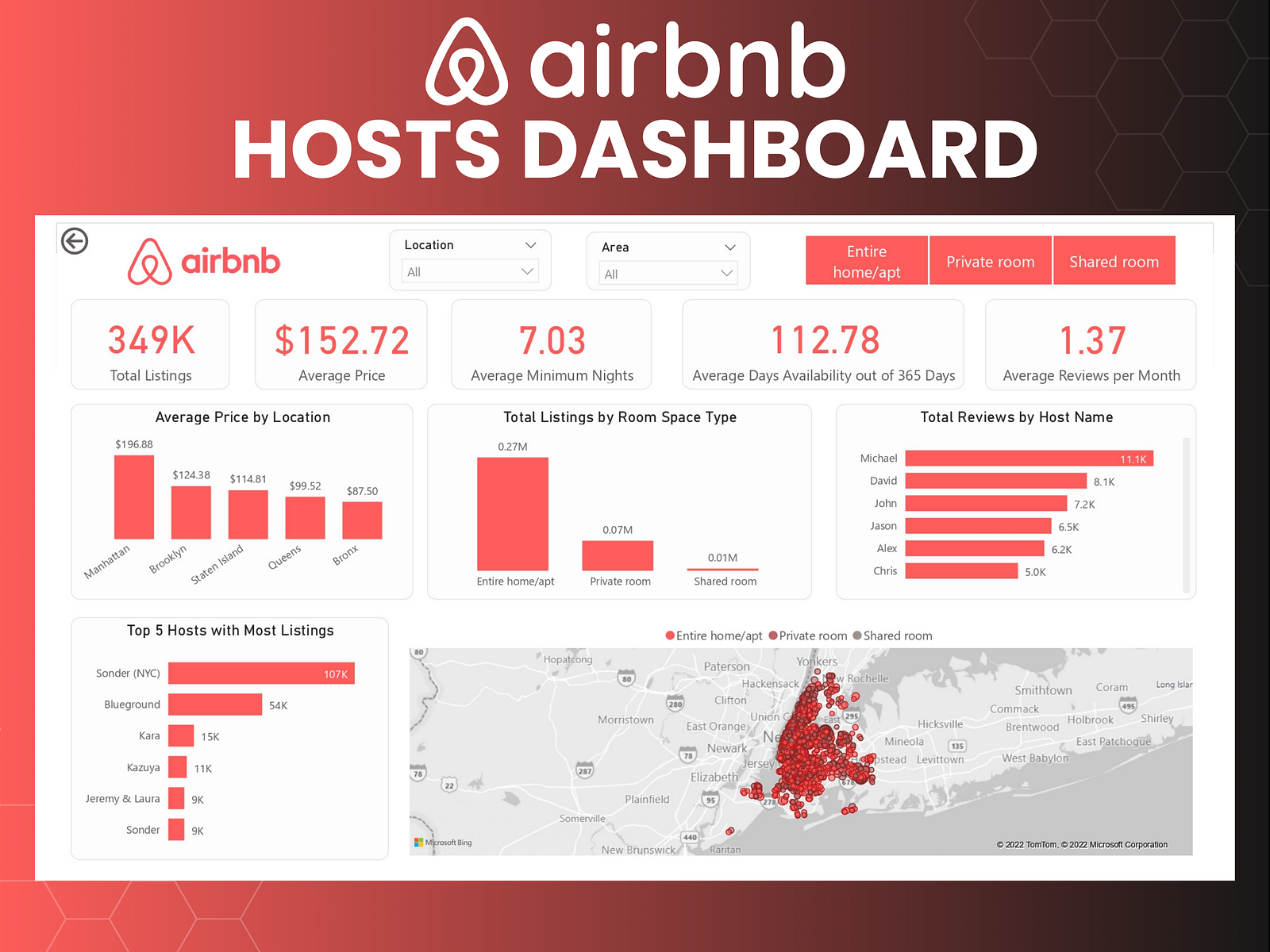
The Airbnb platform itself provides everything hosts need to manage bookings, communicate with guests, and handle payments. Its user-friendly interface offers analytics tools to track occupancy rates, earnings, and reviews. With Airbnb’s Smart Pricing feature, hosts can set rates that adjust automatically to match market demand.
Guesty
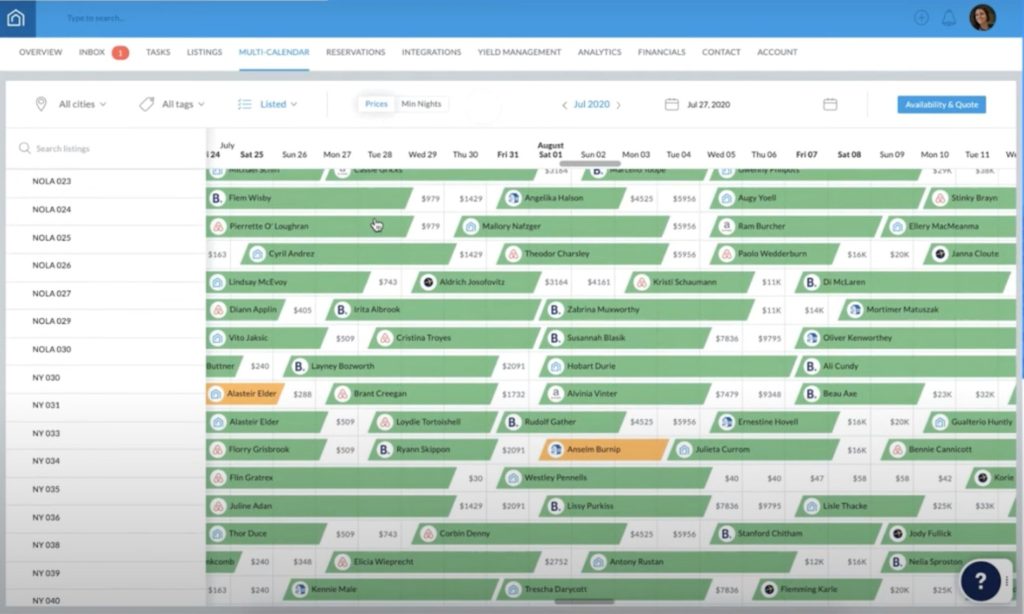
Guesty is an all-in-one property management software designed for professional Airbnb hosts. It streamlines guest communication, cleaning schedules, and financial reporting. By automating repetitive tasks, Guesty allows hosts to scale their business across multiple properties without sacrificing quality or guest satisfaction.
Wheelhouse

Wheelhouse offers advanced dynamic pricing tools that help Airbnb hosts optimize their nightly rates. By analyzing local demand, seasonality, and competitor pricing, Wheelhouse ensures hosts maximize their revenue without constant manual adjustments.
Hostaway
Hostaway integrates with Airbnb and other booking platforms to centralize calendars, bookings, and messaging. This is especially valuable for investors managing several properties across different platforms, as it eliminates double bookings and improves operational efficiency.
Beyond Pricing

Beyond Pricing uses real-time market data to automatically adjust rates for Airbnb properties. Optimizing pricing based on events, holidays, and demand fluctuations helps hosts capture the highest possible revenue during peak seasons.
Practical Use Cases for Using Rental Property on Airbnb
Vacation Hotspots
In cities like Bali, Barcelona, or Miami, travelers often seek unique accommodations with home-like amenities. A well-furnished rental property listed on Airbnb can generate far more income than a traditional year-long lease in these high-demand tourist destinations.
Urban Centers and Business Districts
Short-term rentals are in demand among business travelers and remote workers seeking temporary stays in major urban hubs. Offering reliable Wi-Fi, comfortable workspaces, and flexible check-in options can attract high-paying guests year-round.
Seasonal Markets
Properties in areas with seasonal tourism, such as ski resorts or beach towns, benefit from peak-season rates that can outpace annual rental income. Hosts can close bookings during off-season periods for renovations or personal use.
Event-Driven Opportunities
Cities hosting major festivals, sporting events, or conferences often experience surges in demand for short-term stays. Hosts can capitalize on these opportunities by adjusting prices accordingly.
Challenges and Risks to Consider
While using a rental property for Airbnb can be lucrative, it is not without challenges. Regulatory restrictions, high turnover, and maintenance costs can affect profitability. Short-term rentals also require more active management, including frequent cleaning and guest communication.
Additionally, market saturation in popular areas can lead to stiff competition. Hosts must differentiate their properties through quality amenities, exceptional service, and competitive pricing to remain profitable.
Benefits of Using Technology for Airbnb Hosting
Technology reduces the complexity of managing an Airbnb property. Smart home devices, such as keyless entry systems and automated thermostats, enhance guest comfort while lowering operational costs. Integrated software platforms handle everything from booking management to financial reporting, giving hosts real-time insights into their business.
Dynamic pricing tools ensure nightly rates remain competitive, while property management systems like Guesty or Hostaway allow hosts to oversee multiple properties with ease. These innovations not only save time but also increase profitability and guest satisfaction.
Detailed Problem-Solving Use Cases
Occupancy Optimization
Dynamic pricing platforms like Wheelhouse and Beyond Pricing can adjust rates automatically to maintain steady bookings, even during off-peak seasons.
Operational Efficiency
Hosts managing multiple listings can use software such as Hostaway to coordinate cleaning schedules, handle inquiries, and prevent double bookings.
Regulatory Compliance
Platforms like Airbnb provide resources to help hosts stay updated on local regulations, reducing the risk of fines or legal issues.
Frequently Asked Questions
1. Can I use a rental property for Airbnb without owning it?
Yes, this is known as Airbnb rental arbitrage. However, you must obtain permission from the property owner and comply with local laws regarding short-term rentals.
2. What are the biggest risks of using a rental property for Airbnb?
The main risks include regulatory restrictions, property damage, and high management costs. Proper planning, insurance, and technology tools can help mitigate these issues.
3. How can technology improve Airbnb property management?
Technology streamlines operations through automated messaging, dynamic pricing, smart locks, and integrated dashboards, making it easier to manage bookings and optimize profits.