Short Term Rental Investment: A Complete Guide to Building Profitable Properties
Short-term rental investment is the practice of buying, leasing, or managing properties to rent them out for brief stays ranging from a few nights to a few weeks on platforms like Airbnb, Vrbo, or Booking.com. Unlike traditional long-term rentals, short-term rentals (STRs) focus on maximizing nightly rates and occupancy, offering investors higher revenue potential and flexibility.
This investment strategy appeals to those seeking strong cash flow, quick market entry, and the ability to use the property personally when desired. With the right location, management, and technology tools, investors can turn a single property into a consistent income generator while benefiting from property appreciation over time.
The Growing Popularity of Short Term Rentals

Short-term rentals have surged in popularity as travelers increasingly prefer unique stays over hotels. Digital platforms have made it easier than ever for property owners to reach a global audience, while remote work trends have expanded demand for extended stays.
Markets with strong tourism, event-driven traffic, or limited hotel capacity present lucrative opportunities. Even mid-size cities are experiencing growth in STR demand, fueled by vacationers, business travelers, and digital nomads seeking affordable, flexible accommodation options.
Key Benefits of Short-Term Rental Investment
Higher Income Potential
STRs typically earn more per night compared to traditional leases. Well-managed properties in high-demand areas can generate significant monthly profits, often exceeding long-term rental income.
Flexible Usage
Investors can rent properties when profitable and reserve them for personal use during off-peak periods. This flexibility makes short-term rentals both an income source and a lifestyle asset.
Market Diversification
Short-term rentals can balance a real estate portfolio by providing steady income even when long-term rental markets slow. This diversification reduces overall investment risk.
The Role of Technology in STR Investment
Technology is critical to managing short-term rentals effectively. From dynamic pricing to automated guest communication, tech tools help investors maximize returns and reduce operational headaches.
Dynamic pricing software automatically adjusts nightly rates based on demand, seasonality, and local events. Property management systems handle guest messaging, cleaning schedules, and booking coordination. Channel managers synchronize calendars across multiple platforms, preventing double bookings and optimizing occupancy.
Real-World Example Products and Use Cases
Airbnb Platform Tools

Airbnb provides a robust host dashboard with analytics, messaging, and booking management features. Investors can track occupancy trends, respond to inquiries, and adjust listings in real time to boost bookings and revenue.
Beyond Pricing
This dynamic pricing platform uses market data to optimize nightly rates. By analyzing competitor prices, local events, and seasonal trends, Beyond Pricing ensures STR owners achieve maximum profitability.
Guesty
Guesty automates property management tasks such as guest messaging, cleaning coordination, and financial reporting. This platform is ideal for investors managing multiple properties across different markets.
Wheelhouse
Wheelhouse provides detailed market analytics and automated pricing strategies, allowing investors to maintain competitive rates and attract more bookings while reducing manual workload.
Hostaway

Hostaway integrates Airbnb, Vrbo, and Booking.com into a single platform, streamlining calendar management and guest communications. This is particularly valuable for investors scaling their short-term rental portfolios.
Practical Use Cases of Short-Term Rental Investment
Vacation Destinations
Investors in tourist hotspots like Bali, Hawaii, or the Amalfi Coast benefit from high seasonal demand. Properties in these markets often achieve exceptional nightly rates during peak travel seasons.
Urban Business Hubs
Cities like New York, London, and Singapore attract business travelers seeking furnished apartments near corporate districts. Weekday bookings and repeat clients provide steady income.
Remote Work Retreats
With the rise of digital nomads, STR investors can cater to guests seeking long stays with high-speed internet and comfortable workspaces. Locations with natural scenery or cultural attractions perform especially well.
Event-Driven Markets
Short-term rentals near stadiums, convention centers, or festival venues can command premium rates during major events, boosting annual income without year-round commitments.
Benefits of Using Technology in STR Investments
Tech tools simplify operations and increase profitability. Automated messaging systems improve response times, enhancing guest satisfaction and booking rates. Smart locks allow self-check-in, reducing staffing costs and improving security.
Dynamic pricing ensures rates stay competitive while financial reporting software tracks expenses and income for better decision-making. Collectively, these tools reduce manual labor, lower operational costs, and allow investors to focus on scaling their portfolio.
Challenges in Short-Term Rental Investment
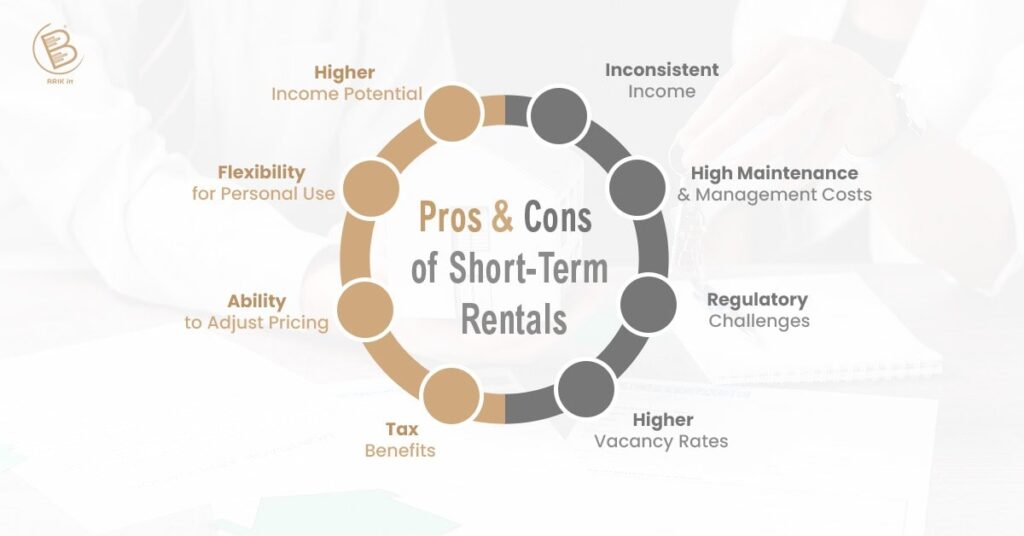
Despite the potential rewards, STR investment comes with risks. Regulations vary by city and can restrict or ban short-term rentals. High competition may lead to pricing pressures, while frequent guest turnover increases maintenance needs.
Investors should research local laws, obtain necessary permits, and maintain cash reserves for unexpected expenses. Leveraging technology and professional management can help mitigate these challenges.
Detailed Problem-Solving Use Cases
Occupancy Fluctuations
Seasonal demand changes can lead to income gaps. Dynamic pricing tools like Beyond Pricing or Wheelhouse help maintain bookings during slow periods by adjusting rates strategically.
Complex Operations
Managing multiple properties and bookings across platforms can be overwhelming. Guesty and Hostaway automate communication, scheduling, and financial tracking, reducing administrative workload.
Regulatory Compliance
Airbnb’s host resources and city-specific guides provide information on local regulations, helping investors remain compliant and avoid costly fines.
Long-Term Investment Potential
Short-term rental investments offer more than immediate income. Properties in desirable locations often appreciate over time, allowing investors to build wealth through both rental income and property value growth.
Diversifying across different cities or property types can further reduce risk, ensuring steady returns regardless of market fluctuations.
Tips for Maximizing Returns
To maximize profitability, investors should focus on guest experience. High-quality furnishings, professional photography, and responsive communication improve reviews and drive repeat bookings. Leveraging technology for pricing, automation, and market analytics keeps properties competitive in dynamic markets.
Frequently Asked Questions
1. Is short-term rental investment profitable?
Yes, it can be highly profitable when managed effectively. STRs in high-demand areas typically earn higher nightly rates than long-term rentals, generating stronger cash flow.
2. What technology tools are essential for STR investors?
Dynamic pricing platforms like Beyond Pricing, property management systems such as Guesty, and channel managers like Hostaway are critical for maximizing revenue and simplifying operations.
3. What are the main risks of STR investment?
Regulatory changes, seasonal demand fluctuations, and property maintenance costs are key risks. Careful market research, technology adoption, and strategic management can help mitigate these challenges.