
Short Term Real Estate Investing: A Complete Guide for Modern Investors
Short-term real estate investing has emerged as one of the most dynamic strategies for investors seeking faster returns and greater flexibility than traditional long-term rental models. Instead of waiting years to build equity or earn steady cash flow, this approach focuses on properties that can generate quick profits, whether through vacation rentals, property flips, or short-term leases.
This in-depth guide explores the core concepts of short-term real estate investing, its technology-driven benefits, practical use cases, and real-world examples of investors who have successfully leveraged this strategy. Whether you are a first-time investor or a seasoned professional, understanding this market can open doors to faster income streams and diversified opportunities.
Understanding Short-Term Real Estate Investing
Short-term real estate investing refers to property strategies designed to generate income or profit within a shorter timeframe, typically less than a year. Instead of holding a property for decades, investors aim to quickly capitalize on market trends, seasonal demand, or rapid renovations.
This approach includes several investment models such as vacation rentals (like Airbnb), property flips, short-term corporate leases, and even mid-term rentals catering to traveling professionals. Each model offers different risk levels and profit potential, but they all share a focus on flexibility and quick returns.
Investors are drawn to short-term strategies because they can adapt to changing market conditions, respond to seasonal demand, and take advantage of rising property values without committing to long-term ownership.
Why Short-Term Real Estate Investing Is Growing in Popularity
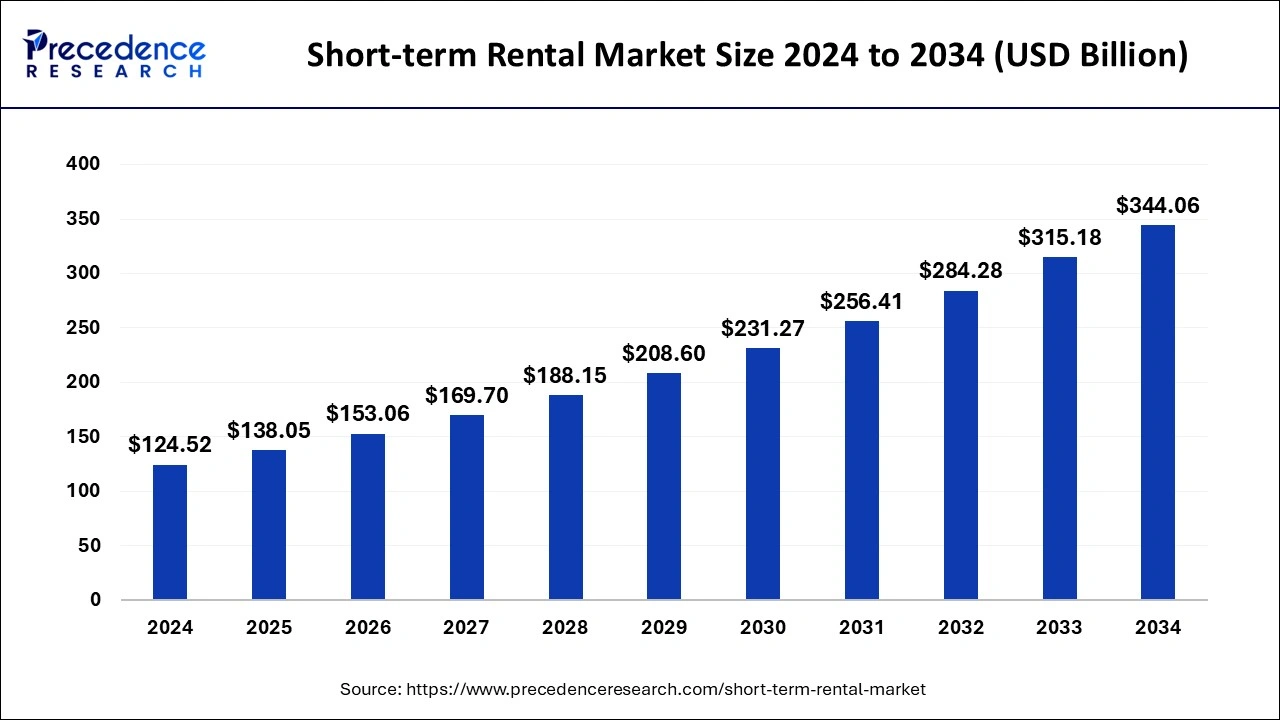
Several factors are driving the growth of short-term real estate investing. First, consumer preferences are changing. Travelers increasingly seek unique, home-like accommodations instead of traditional hotels, creating strong demand for vacation rentals. Similarly, corporate travelers and remote workers need furnished apartments for weeks or months at a time.
Second, technological platforms like Airbnb, Vrbo, and Zillow Rentals have made it easier for investors to market their properties and manage bookings. These tools reduce entry barriers and allow investors to operate efficiently, even from different cities or countries.
Finally, the potential for higher cash flow compared to long-term rentals is a major draw. While long-term leases offer steady income, short-term rentals can command premium nightly or weekly rates, especially in high-demand markets.
The Role of Technology in Short-Term Real Estate Investing
Technology plays a critical role in making short-term real estate investing both accessible and profitable. Platforms like Airbnb, Booking.com, and specialized property management software enable investors to list properties, automate bookings, and adjust pricing dynamically based on demand.
Data analytics tools also help investors identify profitable markets, predict occupancy rates, and estimate potential returns before purchasing a property. This reduces risk and improves decision-making, even for first-time investors.
Property management software can handle tasks like guest communication, cleaning schedules, and financial tracking, allowing investors to scale their portfolios without sacrificing service quality.
Real-World Examples of Short-Term Real Estate Investing
To better understand how short-term real estate investing works in practice, here are several real-world scenarios where investors successfully leveraged this strategy.
The Vacation Rental Entrepreneur

A couple purchases a small beachfront condo in a popular tourist destination. Instead of renting it out long-term, they list it as a vacation rental on Airbnb and Vrbo. By using dynamic pricing tools and professional photography, they achieve a high occupancy rate during peak travel seasons.
Within the first year, the condo generates income far exceeding what a traditional long-term lease would provide. The couple reinvests the profits into a second property, gradually building a portfolio of short-term rentals.
The House Flipper
An investor buys a distressed property in an up-and-coming neighborhood. After a quick renovation, they sell the property within six months at a significant profit. This short-term strategy, commonly known as house flipping, allows the investor to capitalize on market appreciation and renovation value without the responsibilities of long-term management.
By using market analytics tools to identify undervalued properties and budgeting software to control renovation costs, the investor minimizes risk and maximizes return.
Corporate Short-Term Leases
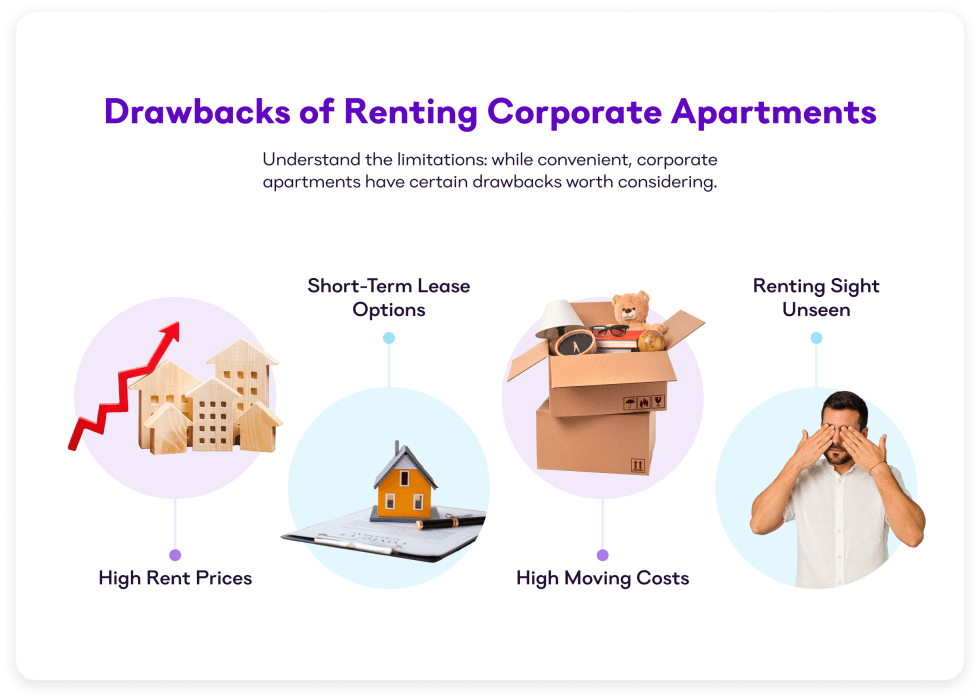
A property owner in a business hub converts several apartments into furnished short-term rentals for corporate clients and traveling professionals. These leases typically range from one to six months, offering flexibility for tenants while allowing the owner to charge premium rates.
The investor uses property management software to handle bookings and automate payments. This approach provides higher cash flow than long-term leases while maintaining a steady stream of tenants throughout the year.
Mid-Term Rentals for Remote Workers
During the rise of remote work, an investor targets professionals who need furnished homes for one to three months while relocating or working on temporary projects. Using online platforms to advertise their properties, they quickly attract tenants willing to pay above-average rates for flexibility and comfort.
This strategy bridges the gap between traditional long-term leases and nightly vacation rentals, offering a balanced mix of stability and profitability.
Multi-Property Scaling

An experienced investor starts with one vacation rental and gradually scales to a portfolio of multiple properties in different cities. By using analytics tools to identify profitable markets and property management software to automate operations, they efficiently manage a growing business without being physically present at each location.
This example highlights how technology and smart planning enable scalability in short-term real estate investing, creating sustainable income and long-term wealth.
Benefits of Short-Term Real Estate Investing
Short-term real estate investing offers a variety of practical advantages that make it attractive to both new and seasoned investors:
- Higher Cash Flow Potential: Short-term rentals often generate significantly more income than traditional leases, especially in high-demand markets.
- Flexibility: Investors can adapt their strategies to market changes, switch between short-term and long-term models, or sell properties quickly if needed.
- Scalability: With technology and professional management tools, investors can manage multiple properties across different regions.
- Market Responsiveness: Short-term investments allow investors to capitalize on seasonal demand, tourism trends, and market fluctuations.
These benefits create opportunities for both passive income seekers and active entrepreneurs who want faster returns than traditional real estate offers.
Practical Use Cases and Problems Solved
Short-term real estate investing addresses several common challenges faced by investors and property owners:
- Maximizing Income: Properties in prime locations can generate significantly higher rental income through nightly or weekly bookings.
- Reducing Vacancy Risk: Flexible rental terms attract a broader range of tenants, including travelers, remote workers, and corporate clients.
- Adapting to Market Conditions: Investors can adjust rental periods, pricing, and property use based on seasonal demand or economic changes.
- Diversification: Short-term investments complement long-term holdings, providing balanced risk and income potential.
By solving these problems, short-term real estate investing becomes a powerful tool for building wealth and achieving financial independence.
Key Takeaways for Investors
Short-term real estate investing combines flexibility, high cash flow potential, and technological efficiency to create compelling opportunities for investors. Whether you are renting out a vacation property, flipping houses, or offering corporate leases, this strategy allows you to generate income faster and adapt to changing market conditions.
With the right tools, market research, and property management solutions, investors can minimize risk and scale their businesses successfully.
Frequently Asked Questions
1. What types of properties work best for short-term real estate investing?
Vacation rentals, condos, urban apartments, and single-family homes in high-demand areas are ideal for short-term strategies due to their rental flexibility and market appeal.
2. Is short-term real estate investing riskier than long-term rentals?
It can carry more risk because of fluctuating demand and regulatory changes. However, with proper market research and technology tools, investors can mitigate these risks and achieve strong returns.
3. How does technology improve short-term real estate investing?
Technology provides data analytics, dynamic pricing, and automated management systems, helping investors make informed decisions and manage properties efficiently, even remotely.