Short-Term Property Investment: A Complete Guide to Building Profitable Returns
Short-term property investment refers to purchasing real estate for a relatively brief holding period, typically weeks, months, or a few years, to generate high returns through resale, rental income, or both. Unlike long-term buy-and-hold strategies, short-term investing thrives on market timing, rapid value appreciation, and the flexibility to pivot based on market demand.
Investors are drawn to this strategy because it allows for quick profits and adaptable exit plans. It also provides opportunities to capitalize on trends such as vacation rentals, corporate housing, and temporary relocation needs. Whether flipping properties or managing short-term rentals, investors can tailor their approach to suit market conditions.
Key Drivers of Short-Term Property Investment

The rise of digital platforms, global mobility, and shifting consumer preferences has transformed how investors approach real estate. Cities with high tourist traffic, strong job markets, or limited housing supply often create ideal conditions for short-term opportunities. Investors focus on locations where demand for furnished apartments, vacation homes, or renovated properties remains consistently strong.
Economic trends also play a role. Low interest rates, flexible lending, and a growing remote work culture have increased the appetite for short-term stays. Meanwhile, emerging markets and urban centers present new opportunities for quick appreciation and attractive rental yields.
Benefits of Short-Term Property Investment
Short-term property investment offers several key advantages that appeal to both seasoned investors and newcomers.
Rapid Capital Gains
Because investors typically buy, improve, and resell or rent within a shorter timeline, profits can be realized faster compared to long-term holding. Market upswings and renovations can dramatically increase a property’s value within months.
Flexible Exit Strategies
Investors are not locked into one path. They can choose to sell for a quick flip, refinance for cash-out equity, or continue renting if market conditions shift. This flexibility reduces risk and allows for strategic decision-making.
High Rental Income Potential
Short-term rentals, especially in vacation markets or major urban centers, often generate higher per-night rates than traditional leases. This can significantly boost cash flow and overall returns.
Technology’s Role in Short-Term Property Investment
Modern technology has made it easier than ever to manage short-term investments. From listing platforms to automation tools, investors can streamline operations and maximize profits.
Property management software, dynamic pricing algorithms, and digital marketing tools allow investors to analyze market trends, optimize rental rates, and manage bookings remotely. Automated systems reduce manual tasks, improve guest experiences, and ensure properties remain competitive.
Real-World Example Products and Use Cases
Airbnb

Airbnb revolutionized the short-term rental market by connecting travelers with unique accommodations worldwide. Investors can list properties, set dynamic pricing, and reach a global audience. By leveraging Airbnb’s analytics and booking management tools, investors can optimize occupancy rates and maximize returns.
Vrbo
Vrbo specializes in vacation rentals, making it ideal for investors targeting family travelers or extended stays. The platform allows for customized listings, detailed property descriptions, and strong customer support, helping investors manage properties efficiently while building a loyal guest base.
Guesty

Guesty offers an all-in-one property management system for investors managing multiple short-term rentals. Features include automated guest communication, cleaning schedules, and financial reporting, enabling investors to operate at scale with minimal stress.
Wheelhouse
Wheelhouse provides advanced dynamic pricing to help investors maximize nightly rates based on market demand, seasonality, and competitor analysis. By adjusting prices in real-time, investors can increase profitability without constant manual monitoring.
Hostaway
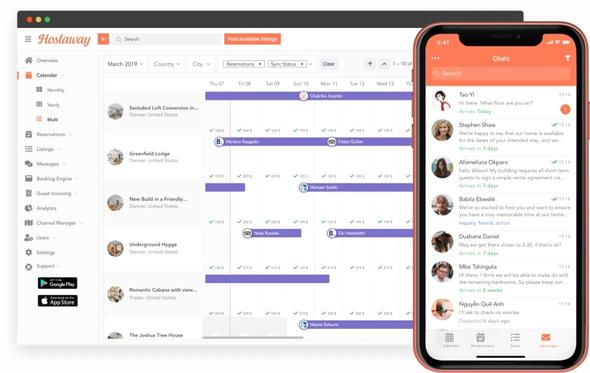
Hostaway integrates with multiple booking platforms, allowing investors to manage calendars, bookings, and guest communications from a single dashboard. This is particularly useful for investors with properties listed on several platforms simultaneously.
Practical Use Cases for Short-Term Property Investment
Vacation Destinations
Investors in tourist hotspots like Bali, Miami, or Barcelona can benefit from consistent demand during peak seasons. Short-term rentals in these locations often outperform traditional leases in both occupancy and rental income.
Urban Business Hubs
Major cities with thriving business districts attract professionals seeking temporary housing. Investors can cater to corporate travelers who need furnished apartments for weeks or months.
Event-Driven Markets
Cities that host major conferences, festivals, or sporting events offer lucrative opportunities for short-term rentals during peak periods. Properties near stadiums, convention centers, or entertainment districts often see surges in rental rates.
Fix-and-Flip Projects
Investors can purchase undervalued properties, renovate them, and quickly resell at a profit. This strategy relies on market timing and skilled project management but can deliver high returns within months.
Challenges to Consider
While short-term property investment can be highly profitable, it also carries risks. Market volatility, regulatory changes, and seasonal fluctuations can impact returns. Investors must also consider higher management costs, including cleaning, maintenance, and guest services.
Proper research, diversification, and the use of reliable technology can help mitigate these risks. Understanding local regulations such as short-term rental permits and zoning laws is essential for avoiding fines and legal issues.
Benefits of Using Technology for Short-Term Investments
Technology empowers investors to analyze markets, automate tasks, and scale operations. Dynamic pricing tools like Wheelhouse or Beyond Pricing ensure nightly rates remain competitive. Smart locks, automated check-in systems, and AI-powered guest communication improve the guest experience and reduce manual work.
With the right tech stack, investors can focus on strategy while systems handle day-to-day operations. This allows for faster growth and higher profitability across multiple properties.
Detailed Use Cases of Problem-Solving
Cash Flow Gaps
Investors facing cash flow challenges can adjust nightly rates or offer last-minute discounts through dynamic pricing platforms to maintain steady occupancy.
Operational Complexity
Managing multiple properties can be overwhelming. Tools like Guesty and Hostaway centralize operations, reducing errors and improving efficiency.
Market Uncertainty
Real-time analytics from Airbnb or Vrbo provide insights into booking trends, allowing investors to adapt quickly to changes in demand.
Frequently Asked Questions
1. What is short-term property investment?
It is a real estate strategy focused on buying, improving, and reselling or renting properties within a short period to generate quick profits and high rental income.
2. Is short-term property investment risky?
Yes, it carries risks such as market fluctuations, regulatory changes, and seasonal demand shifts. Proper planning, technology use, and diversification can help reduce these risks.
3. Can technology improve short-term property investment?
Absolutely. Platforms like Airbnb, Guesty, and dynamic pricing tools simplify management, optimize rates, and provide real-time market insights for better decision-making.