Best Airbnb Management Software: Complete Guide to Top Property Management Tools
Managing multiple Airbnb listings can quickly become overwhelming. From guest communication to cleaning schedules and pricing updates, hosts often juggle a long list of tasks. The best Airbnb management software helps automate these operations, ensuring seamless bookings, optimized pricing, and better guest experiences.
This guide explores everything property owners need to know about Airbnb management software, including its key benefits, essential features, and real-world examples of leading tools that can transform how you manage short-term rentals.
What Is Airbnb Management Software?
Airbnb management software is a digital platform designed to help hosts, property managers, and vacation rental businesses manage their listings more efficiently. It consolidates multiple functions such as booking management, channel synchronization, guest communication, and financial reporting into one centralized dashboard.
Instead of logging into separate accounts for Airbnb, Vrbo, Booking.com, and other platforms, hosts can manage all reservations from a single interface. This saves time, reduces errors, and creates a smoother experience for both hosts and guests.
Key Features of Airbnb Management Software
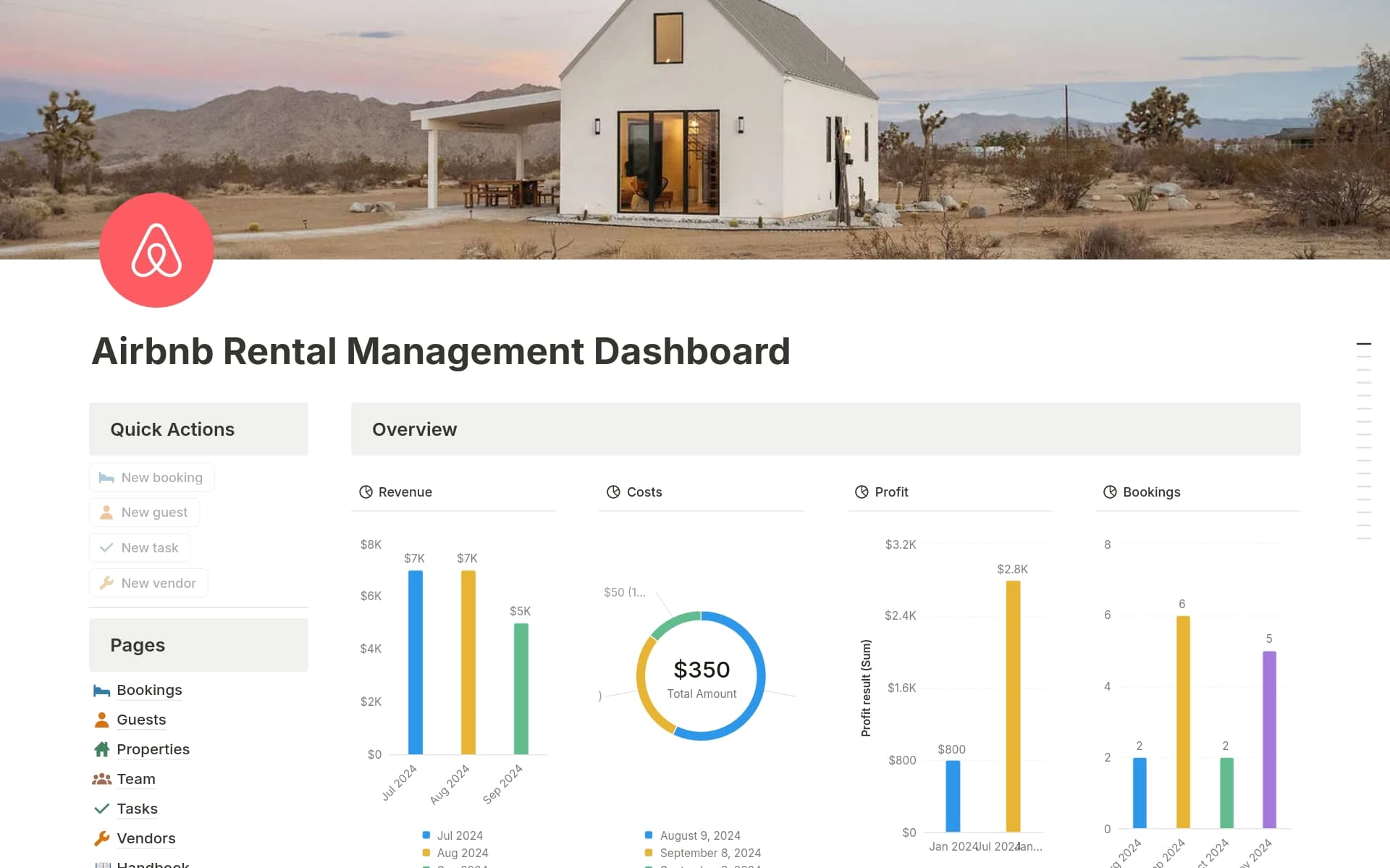
Top Airbnb management software includes a wide range of features designed to simplify daily operations and maximize profitability.
Channel Management
One of the core functions of management software is channel management, which synchronizes calendars across different booking platforms. This prevents double bookings and ensures availability is always up to date. For hosts with properties listed on multiple platforms, this feature is essential to maintain smooth operations.
Automated Guest Messaging
Automated messaging saves time and ensures consistent communication. Hosts can set up templates for booking confirmations, check-in instructions, and review requests. This not only improves response times but also enhances the guest experience by providing clear, timely information.
Dynamic Pricing
Many platforms integrate dynamic pricing tools that automatically adjust nightly rates based on market trends, seasonality, and demand. This helps hosts maximize occupancy and revenue without constantly monitoring competitors or local events.
Task Scheduling and Cleaning Coordination
Property management involves more than just bookings. Airbnb management software allows hosts to schedule cleaning and maintenance tasks automatically. Team members can receive notifications when a property needs preparation for the next guest, ensuring a smooth turnover process.
Benefits of Using Technology in Airbnb Management
Technology is the backbone of efficient short-term rental operations. By automating repetitive tasks and providing real-time insights, Airbnb management software offers a variety of benefits.
Increased Efficiency

Automation significantly reduces manual work, enabling hosts to manage multiple properties with ease. Tasks like calendar updates, messaging, and cleaning schedules can all be handled by the software, allowing owners to focus on growth and guest satisfaction.
Improved Revenue Management
Dynamic pricing algorithms analyze market conditions to optimize rates daily. This ensures properties remain competitive while maximizing income potential. Hosts can earn more revenue without constantly adjusting prices themselves.
Enhanced Guest Experience
Fast response times, seamless check-ins, and accurate property information create a better experience for guests. Satisfied guests are more likely to leave positive reviews, boosting the property’s ranking on Airbnb and attracting more bookings.
Best Airbnb Management Software: Real-World Examples
Several platforms have emerged as industry leaders in Airbnb management software. Below are five of the best options, each with unique strengths and use cases.
Guesty
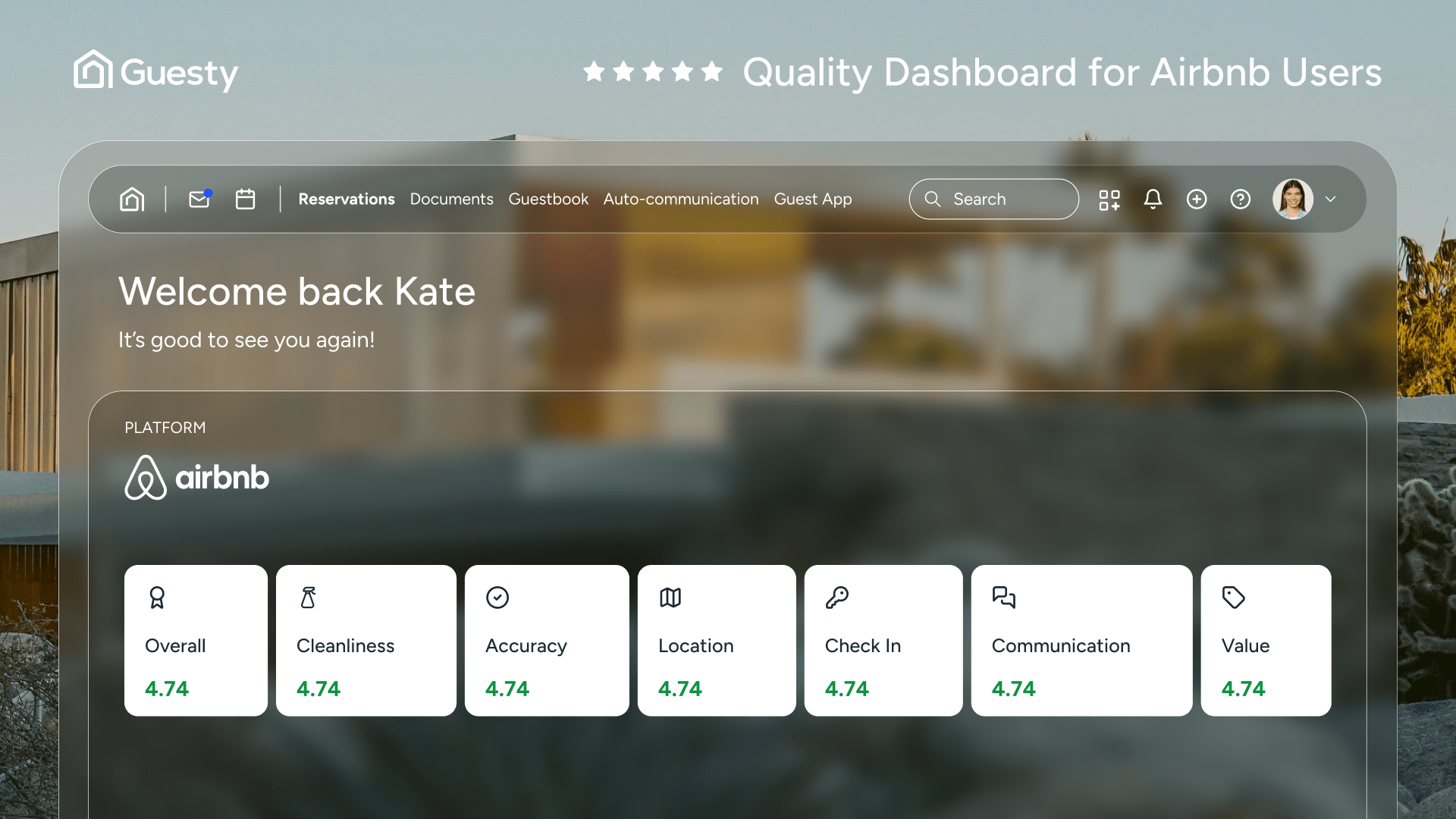
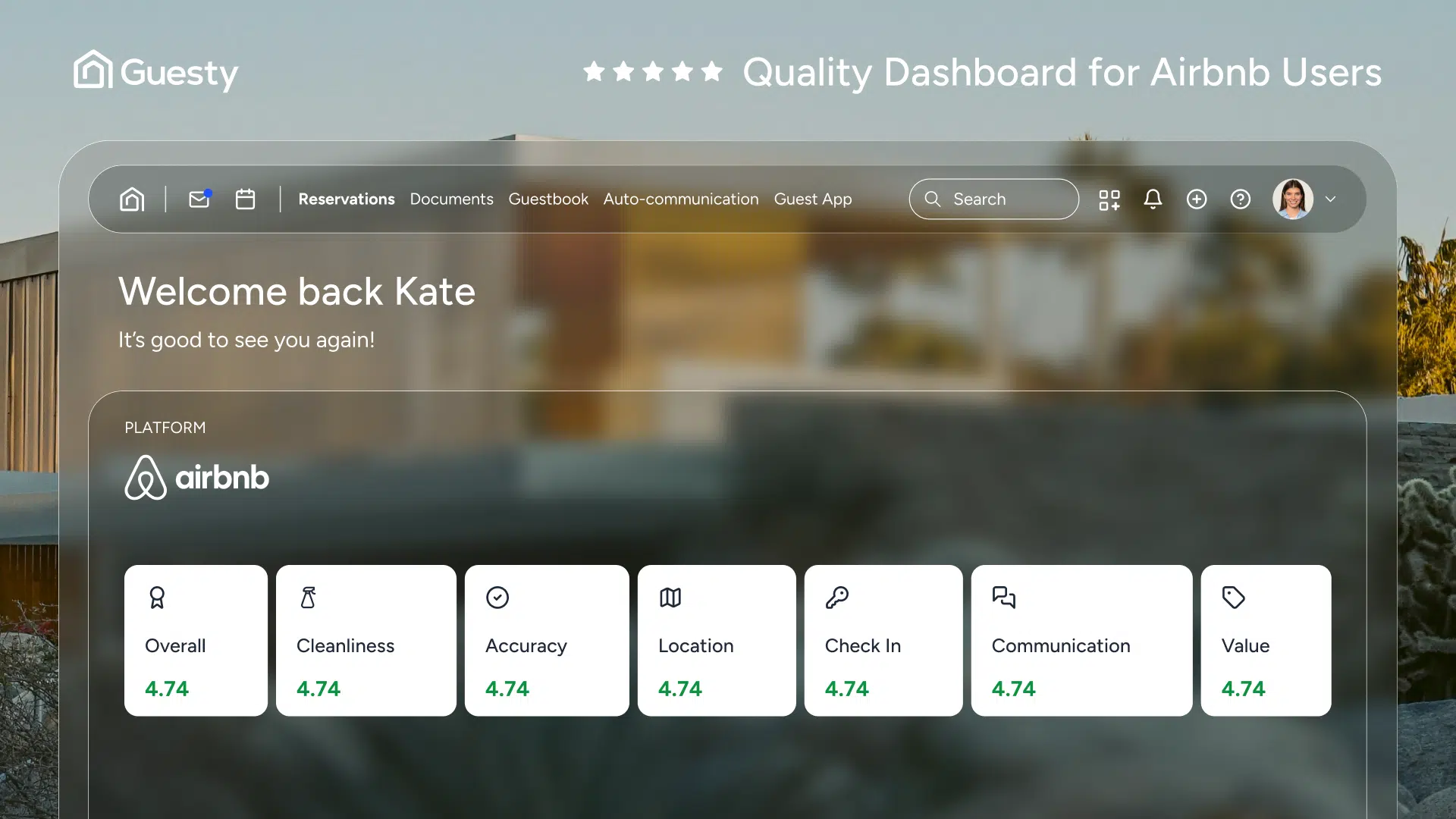
Guesty is a full-featured property management platform designed for professional hosts and large-scale property managers. It offers robust channel management, automated messaging, financial reporting, and a unified inbox for guest communication.
What sets Guesty apart is its scalability. Whether you manage a single listing or hundreds, Guesty’s tools can handle complex operations. Its integrations with Airbnb, Booking.com, and Expedia make it ideal for hosts expanding their business across multiple platforms.
Hostaway
Hostaway combines powerful automation tools with flexible integrations. Its standout features include automated reviews, customizable workflows, and advanced reporting tools that provide detailed performance insights.
This platform is especially useful for property managers who need to coordinate large teams or manage multiple markets. Hostaway’s open API allows for custom integrations, giving hosts the freedom to build a system tailored to their unique needs.
Lodgify
Lodgify is perfect for hosts looking to create a direct booking website in addition to managing Airbnb listings. Its website builder allows property owners to accept direct reservations, reducing reliance on third-party platforms.
Beyond website creation, Lodgify offers centralized booking management, automated guest messaging, and payment processing. This makes it a great option for hosts aiming to diversify their booking sources and increase profitability.
OwnerRez
OwnerRez is known for its powerful automation and advanced pricing tools. It provides features like automated email templates, quote generation, and guest screening.
The platform is ideal for hosts who prioritize financial reporting and pricing flexibility. Its robust accounting features allow owners to track expenses, generate invoices, and analyze revenue trends.
iGMS
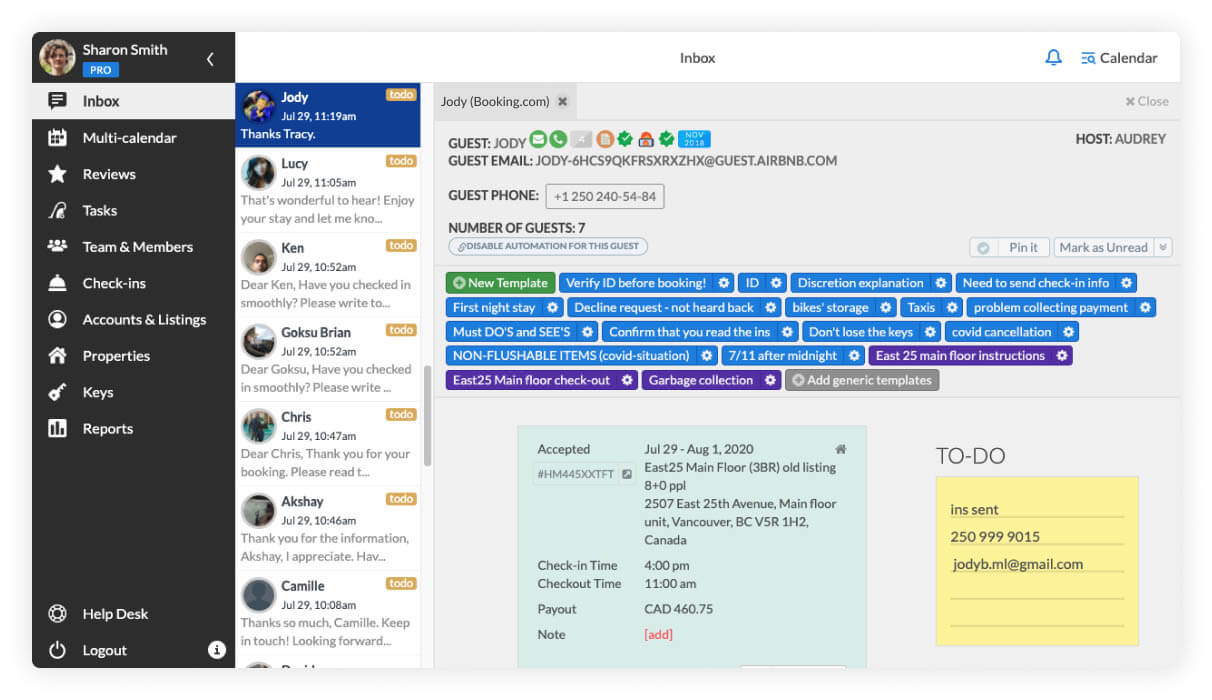
iGMS is a user-friendly solution for hosts seeking simplicity without sacrificing functionality. It offers automated messaging, task scheduling, and multi-platform integration.
Its intuitive dashboard makes it easy to manage guest communication, assign cleaning tasks, and monitor reservations. iGMS is well-suited for small to medium-sized hosts who need a balance between affordability and powerful features.
Practical Advantages of Airbnb Management Software
Adopting Airbnb management software provides tangible benefits for hosts and property managers:
- Time Savings: Automation reduces repetitive tasks, allowing hosts to focus on marketing and growth.
- Revenue Growth: Dynamic pricing and occupancy insights lead to higher rental income.
- Error Reduction: Calendar synchronization prevents double bookings and miscommunications.
- Scalability: Hosts can confidently expand their portfolio without increasing workload.
These advantages translate to a more professional and profitable hosting business.
Real-Life Use Cases and Problems Solved
Airbnb management software is particularly valuable in the following scenarios:
- Managing Multiple Properties: Hosts with several listings can monitor bookings, cleaning schedules, and guest communication in one place.
- Remote Hosting: Owners living far from their rental properties can oversee operations without being physically present.
- Handling High Booking Volume: During peak travel seasons, automation ensures every guest receives prompt communication and accurate check-in details.
- Competing in Saturated Markets: Dynamic pricing helps properties stay competitive, attracting more guests and improving occupancy rates.
By addressing these challenges, Airbnb management software enables hosts to scale their operations while maintaining exceptional guest experiences.
Frequently Asked Questions
1. What is the best Airbnb management software for small hosts?
Platforms like iGMS and Lodgify are ideal for small hosts due to their affordability and user-friendly interfaces, offering essential tools without unnecessary complexity.
2. Can Airbnb management software work with other booking platforms?
Yes. Most solutions integrate with platforms such as Vrbo, Booking.com, and Expedia, allowing for centralized management of all reservations.
3. Is Airbnb management software worth the cost?
Absolutely. By automating tasks, optimizing pricing, and reducing manual errors, the software often pays for itself through increased efficiency and higher revenue.