Turning Your Home into an Airbnb: A Complete Step-by-Step Guide to Profitable Hosting
Turning your home into an Airbnb can transform your property into a lucrative source of income. Instead of leaving spare rooms or entire houses unused, homeowners can host travelers seeking comfortable, unique accommodations. This approach offers flexibility, higher earnings compared to traditional rentals, and the opportunity to meet guests from around the world.
However, success in Airbnb hosting requires careful planning. From legal compliance and property preparation to guest management and pricing strategies, every step must be carefully executed to protect your investment and maximize profits.
Understanding the Airbnb Hosting Model
Airbnb operates as a peer-to-peer marketplace connecting hosts with travelers looking for short-term stays. Homeowners list their property, set nightly rates, and manage bookings, while Airbnb facilitates payment processing, guest communication, and review systems.
By offering short-term rentals, hosts can potentially earn more than they would from long-term leases. High-demand travel seasons, special events, and flexible pricing allow homeowners to charge competitive nightly rates that outperform traditional rental income.
Preparing Your Home for Airbnb Guests

Before welcoming guests, it is essential to ensure that your home meets the expectations of short-term renters. Cleanliness, safety, and comfort are top priorities. Hosts should declutter spaces, provide fresh bedding, and equip the property with essentials such as toiletries, towels, and kitchen supplies.
Safety measures are equally important. Install smoke detectors, carbon monoxide alarms, and secure locks on all doors and windows. Clearly label emergency exits and provide instructions for appliances to create a safe and stress-free environment for guests.
Legal and Regulatory Considerations
Before listing your property, research local laws governing short-term rentals. Many cities require permits, registration, or a business license to operate legally. Some municipalities impose limits on the number of nights a property can be rented each year or mandate the collection of occupancy taxes.
Homeowners associations (HOAs) and condo boards may also have specific rules regarding short-term rentals. Failure to comply with these regulations can lead to fines, legal disputes, or forced removal of your listing.
Benefits of Turning Your Home into an Airbnb
Higher Income Potential
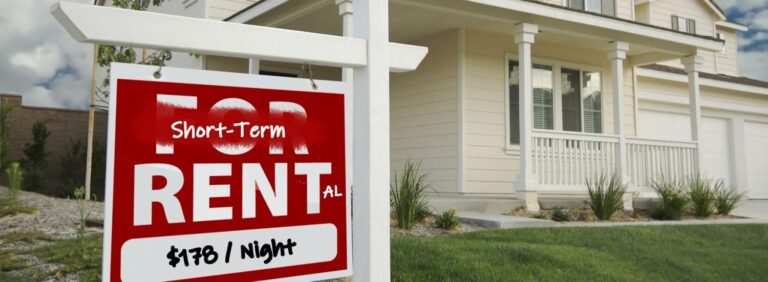
Short-term rentals often generate more income per night than long-term leases. In tourist-heavy markets or during local events, a single weekend’s earnings can match or exceed a month’s traditional rent.
Flexibility and Control
Airbnb hosting allows homeowners to block off dates for personal use, adjust pricing in real time, and maintain control over who stays in their property. This flexibility is ideal for homeowners who wish to balance income generation with personal living needs.
Opportunity for Personal Interaction
Hosting travelers from around the world creates opportunities for cultural exchange and networking. Many hosts enjoy meeting guests and sharing local tips, enhancing the experience for both parties.
Technology Tools for Efficient Airbnb Hosting
Technology plays a critical role in simplifying the hosting process and improving guest experiences. From smart home devices to property management software, technology helps automate tasks and maintain high standards of service.
Smart locks enable self-check-in, allowing guests to enter securely without physical keys. Automated messaging systems provide instant communication and check-in instructions, while dynamic pricing tools optimize nightly rates based on market demand.
Real-World Example Products and Use Cases
Airbnb Hosting Platform

Airbnb’s own platform provides hosts with essential tools for listing properties, managing bookings, and processing payments. Its Smart Pricing feature adjusts nightly rates automatically based on demand, ensuring competitive pricing and maximum revenue.
Guesty
Guesty is a powerful property management tool that automates guest communication, cleaning schedules, and financial reporting. It allows homeowners to focus on creating memorable guest experiences while streamlining daily operations.
Wheelhouse
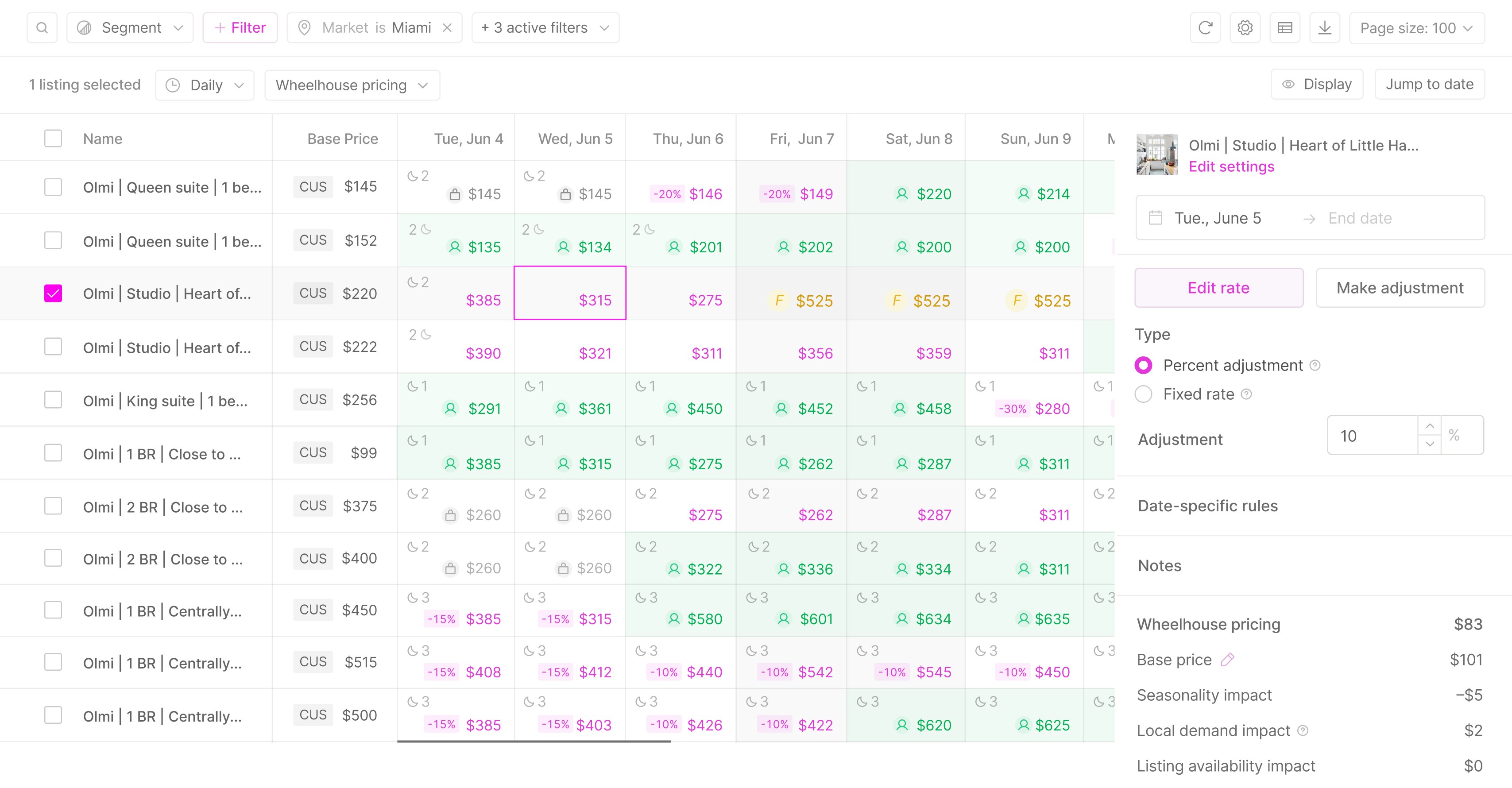
Wheelhouse provides advanced dynamic pricing solutions by analyzing local events, seasonality, and competitor listings. This ensures that homeowners capture peak rates during high-demand periods while remaining competitive during slower seasons.
Nest Smart Devices
Nest offers smart thermostats, security cameras, and smoke detectors that enhance safety and convenience. Hosts can monitor their property remotely, adjust temperatures for guest comfort, and receive real-time alerts for potential issues.
Hostaway
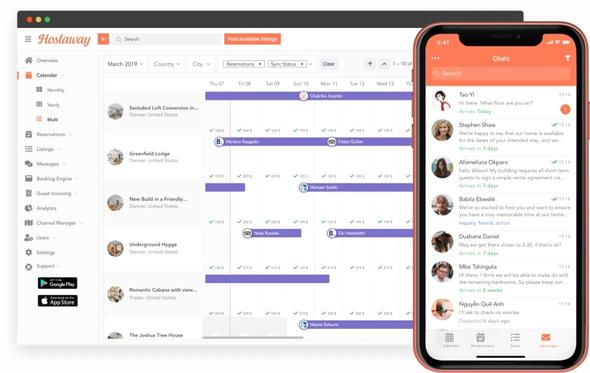
For homeowners managing multiple listings or platforms, Hostaway centralizes reservations, messaging, and analytics. Its automation features save time and help hosts maintain consistent service standards across all properties.
Practical Use Cases for Turning Your Home into an Airbnb
Vacation Destinations
Homes near beaches, mountains, or popular tourist attractions can command premium nightly rates during peak travel seasons. Strategic pricing and seasonal preparation help maximize profits in these high-demand areas.
Urban Centers
Properties located in major cities often attract business travelers, remote workers, and tourists year-round. Providing high-speed internet, a workspace, and easy access to public transport can increase appeal to urban guests.
Event-Driven Rentals
Homes near stadiums, convention centers, or festival venues can capitalize on spikes in demand during concerts, sports events, or conferences. Dynamic pricing tools ensure you capture maximum revenue during these lucrative periods.
Spare Room Hosting
Even if you do not wish to rent your entire home, listing a spare bedroom can generate consistent income. Many travelers prefer private rooms in shared homes for affordability and social interaction.
Challenges and Risks to Consider
While turning your home into an Airbnb can be profitable, it also comes with challenges. High guest turnover increases cleaning and maintenance costs. Negative reviews from dissatisfied guests can impact your listing’s visibility and income potential.
Additionally, unexpected repairs or property damage can reduce profits. Investing in appropriate insurance and maintaining a maintenance budget are essential for long-term success.
Advantages of Technology in Airbnb Hosting
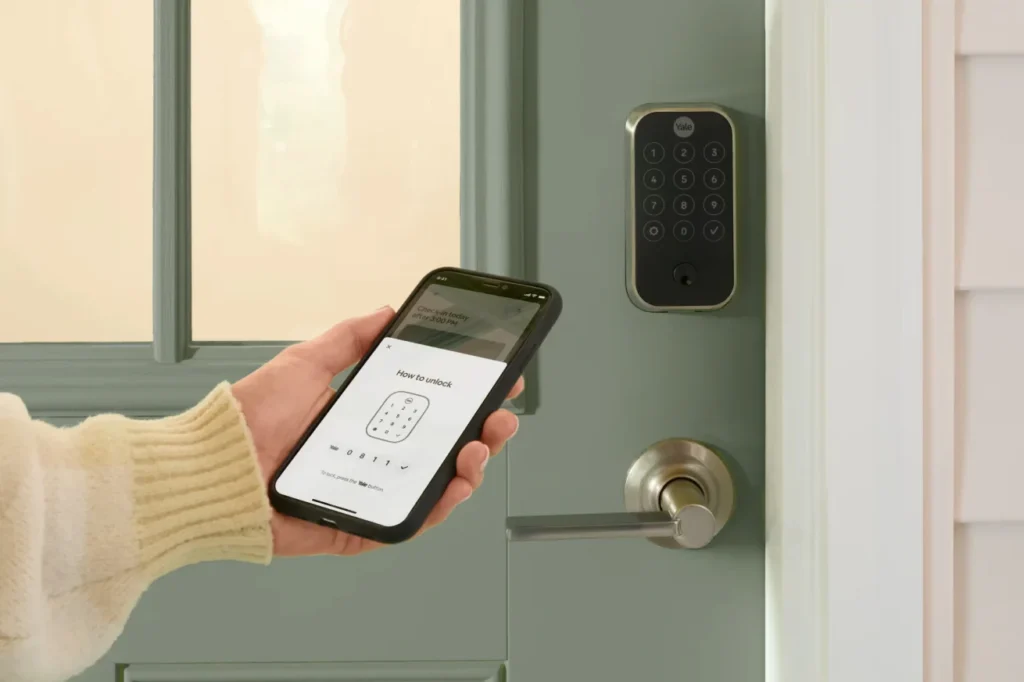
Technology provides hosts with the ability to manage their properties efficiently and enhance the guest experience. Automated messaging ensures timely responses to inquiries, improving ratings and encouraging repeat bookings. Smart locks allow guests to check in and out independently, reducing the need for in-person interactions.
Dynamic pricing tools like Wheelhouse and Beyond Pricing adjust nightly rates to stay competitive. Property management software like Guesty and Hostaway simplifies operations, making it easier to manage multiple bookings, coordinate cleanings, and track financial performance.
Problem-Solving Use Cases
Maintaining High Occupancy Rates
Dynamic pricing platforms can automatically reduce rates during slow periods to attract bookings, ensuring a steady flow of guests and consistent revenue.
Scaling Across Multiple Properties
Homeowners who expand to multiple Airbnb listings can use management software like Guesty to automate guest communication, cleaning schedules, and financial reporting.
Navigating Local Laws
Airbnb provides resources and updates to help hosts stay compliant with evolving short-term rental regulations, reducing the risk of fines or forced closures.
Frequently Asked Questions
1. Do I need permission to turn my home into an Airbnb?
Yes, you must comply with local laws and, if applicable, obtain permission from your homeowners association, landlord, or condo board. Always check zoning regulations before listing your property.
2. How much can I earn by turning my home into an Airbnb?
Earnings vary depending on location, property size, amenities, and market demand. Homes in high-demand tourist or urban areas generally earn more than those in less popular markets.
3. What is the most important technology for new Airbnb hosts?
Smart locks, automated messaging systems, and dynamic pricing tools are among the most useful technologies. They simplify management, enhance guest experiences, and help hosts maximize revenue.