Airbnb for Rental Property: Complete Guide to Profitable Short-Term Hosting
Using Airbnb for rental property has become one of the most attractive ways to generate income in the modern real estate market. Instead of signing long-term leases with tenants, owners or leaseholders can list their properties on Airbnb to host travelers for nightly or weekly stays. This method can deliver higher earnings, greater flexibility, and more control compared to traditional rental agreements.
However, running a rental property on Airbnb is not as simple as posting a listing and waiting for guests. Hosts must understand local regulations, pricing strategies, guest expectations, and technology tools to maximize profitability and protect their investment.
Understanding the Airbnb Business Model
Airbnb connects property owners and renters with travelers seeking unique accommodations. Hosts create a listing, set nightly rates, and manage reservations, while Airbnb provides the platform for payment processing, reviews, and communication.
For investors, Airbnb shifts the rental model from stable but often lower long-term leases to high-turnover, higher-yield short-term bookings. A property that might earn a modest monthly rent from a single tenant can generate significantly more through nightly rates during periods of strong demand.
Airbnb Rental Arbitrage: Profiting Without Ownership
Not everyone who hosts on Airbnb owns property. Rental arbitrage is a strategy where an individual leases a property from a landlord, usually with explicit permission to sublet, and lists it on Airbnb for short-term stays.
This approach allows entrepreneurs to start hosting with lower upfront capital since they don’t need to purchase real estate. Instead, they cover costs such as the security deposit, furnishings, and monthly rent. When managed carefully with proper agreements, rental arbitrage can produce attractive profits while reducing long-term financial risk.
Legal and Regulatory Considerations
Before listing any rental property on Airbnb, hosts must research local laws. Many cities regulate short-term rentals with requirements such as permits, business licenses, or caps on the number of rental nights per year. Some jurisdictions require hosts to collect and remit occupancy or tourism taxes. In certain areas, short-term rentals are restricted or banned altogether.
For rental arbitrage, lease agreements must clearly allow subletting. Landlord approval is critical, as unauthorized subletting can lead to eviction and legal disputes. A transparent written agreement protects both parties and helps avoid conflicts.
Benefits of Using Airbnb for Rental Property
Higher Income Potential
Short-term rentals can generate far more revenue per night than traditional leases. In tourist-heavy markets or during major events, hosts can double or triple what they might earn from a standard long-term tenant.
Flexibility and Personal Use
Hosts can block off dates for personal use, adjust nightly rates in real time, and adapt to seasonal demand. This level of control allows investors to optimize earnings while maintaining access to their property when needed.
Diversification and Market Reach
Airbnb operates in markets around the world, allowing investors to expand their rental portfolio across different cities and countries. Diversification helps reduce risk and provides income streams from multiple sources.
Technology Tools to Maximize Airbnb Profits
Technology simplifies property management and increases profitability for Airbnb rental properties. Smart tools help automate pricing, communication, and operations, saving time and ensuring a positive guest experience.
Automated messaging systems, smart locks, and dynamic pricing platforms reduce the daily workload for hosts. By improving efficiency and consistency, these tools also help maintain high occupancy rates and positive reviews, both of which are essential for long-term success.
Real-World Example Products and Use Cases
Airbnb Hosting Platform
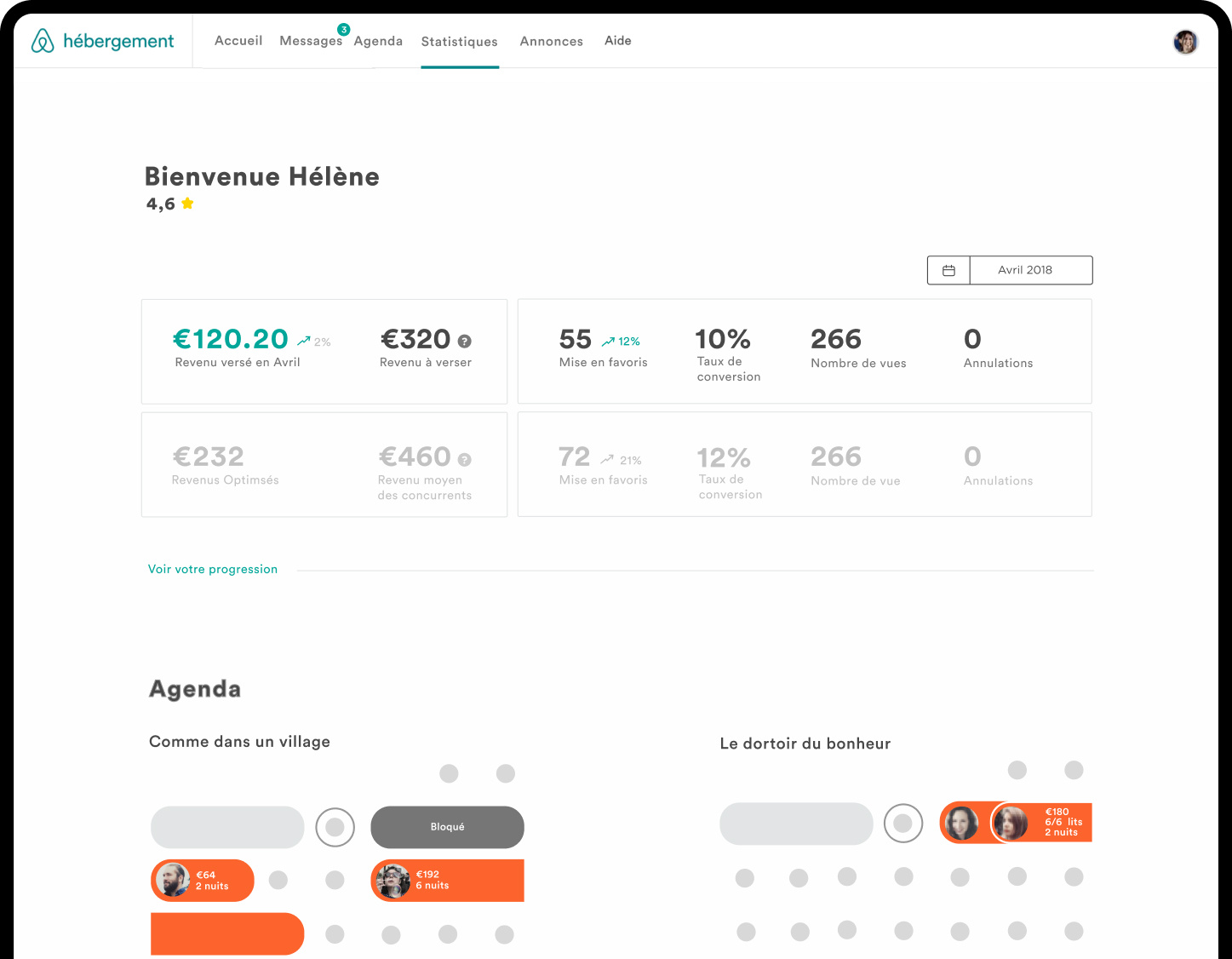
Airbnb’s own platform offers essential tools for managing listings, reservations, and payments. Features such as Smart Pricing adjust nightly rates based on local demand, while performance analytics help hosts monitor occupancy and earnings.
Guesty
Guesty is a robust property management software designed for short-term rental hosts. It automates tasks such as guest communication, cleaning schedules, and financial reporting, allowing investors to scale their operations without sacrificing service quality.
Wheelhouse
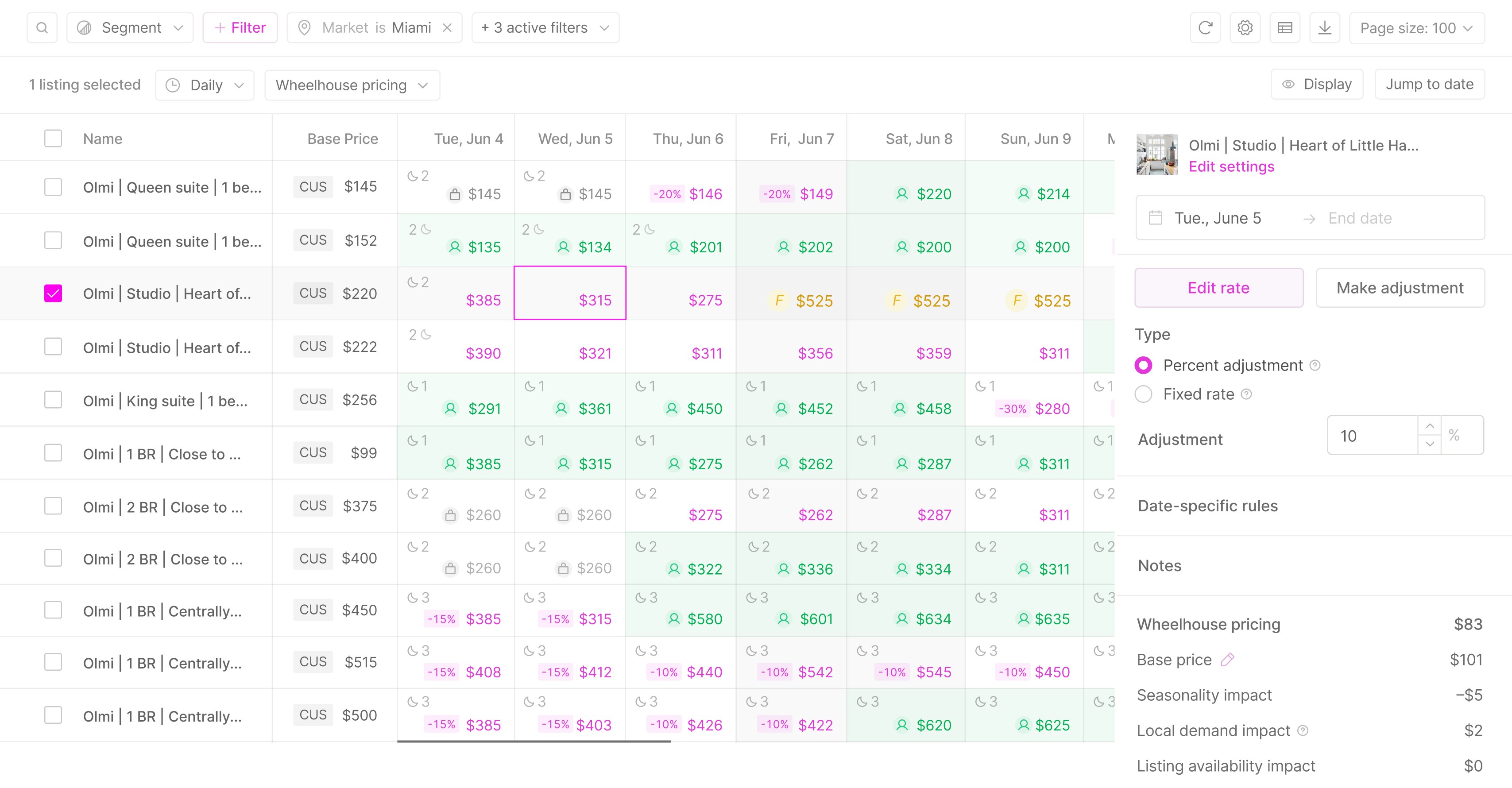
Wheelhouse provides dynamic pricing based on market conditions, competitor rates, and seasonal trends. By continuously adjusting rates, hosts can capture maximum revenue while staying competitive.
Hostaway
Hostaway enables investors to manage multiple properties and booking platforms in one place. It centralizes guest messaging, prevents double bookings, and offers detailed analytics for tracking performance across several listings.
Beyond Pricing

Beyond Pricing uses advanced algorithms to predict market trends and optimize nightly rates. This helps hosts maintain high occupancy while maximizing profit, particularly in competitive markets with fluctuating demand.
Practical Use Cases for Airbnb Rental Properties
Vacation Hotspots
Beachfront condos, ski chalets, and properties in popular tourist destinations consistently attract travelers willing to pay premium nightly rates. Hosts can capitalize on peak travel seasons to generate substantial income.
Urban Business Districts
Apartments in major cities appeal to both leisure travelers and remote workers. High-speed internet, workspaces, and proximity to transport hubs make urban properties attractive year-round.
Seasonal Markets
Properties in destinations with strong seasonal appeal—such as mountain towns or coastal regions—benefit from dynamic pricing. Hosts can increase rates during high season and use off-season periods for maintenance or personal stays.
Event-Driven Demand
Homes near stadiums, convention centers, or music venues can experience booking surges during festivals, sports events, or conferences. Dynamic pricing tools allow hosts to capture these spikes by adjusting rates in real time.
Challenges and Risks of Hosting on Airbnb
While Airbnb offers high income potential, it also comes with challenges. Regulatory changes can disrupt operations unexpectedly. High guest turnover increases cleaning and maintenance costs, and market saturation in popular areas may drive prices down.
Property damage, late cancellations, and unexpected repairs can also impact profitability. Hosts should invest in proper insurance and maintain a financial cushion to handle unexpected expenses.
Advantages of Technology in Airbnb Hosting

Technology helps hosts reduce costs, save time, and enhance the guest experience. Smart locks enable seamless self-check-in, eliminating the need for in-person key exchanges. Automated guest messaging ensures quick responses to inquiries, improving reviews and repeat bookings.
Dynamic pricing tools, such as Wheelhouse and Beyond Pricing, keep nightly rates competitive, while property management software, like Guesty or Hostaway, centralizes operations across multiple listings. These tools collectively create a more efficient, profitable hosting business.
Problem-Solving Use Cases
Maintaining High Occupancy
Dynamic pricing tools adjust nightly rates to attract bookings during slow periods, ensuring steady cash flow.
Scaling Multiple Properties
Software like Guesty and Hostaway automates guest communication, cleaning schedules, and performance tracking, allowing for the management of a growing portfolio with minimal stress.
Staying Compliant with Regulations
Airbnb provides local regulation updates to help hosts stay within the law, reducing the risk of fines or forced shutdowns.
Frequently Asked Questions
1. Can I list a property on Airbnb if I rent it but do not own it?
Yes, but you must have written permission from the property owner or landlord. Subletting without approval can violate lease terms and lead to eviction.
2. What is the primary benefit of using Airbnb for a rental property?
The biggest advantage is the potential for significantly higher income compared to long-term leases, especially in high-demand areas.
3. How does technology improve Airbnb hosting?
Technology streamlines management through automation, smart pricing, and centralized dashboards, reducing manual work while optimizing revenue and guest satisfaction.